
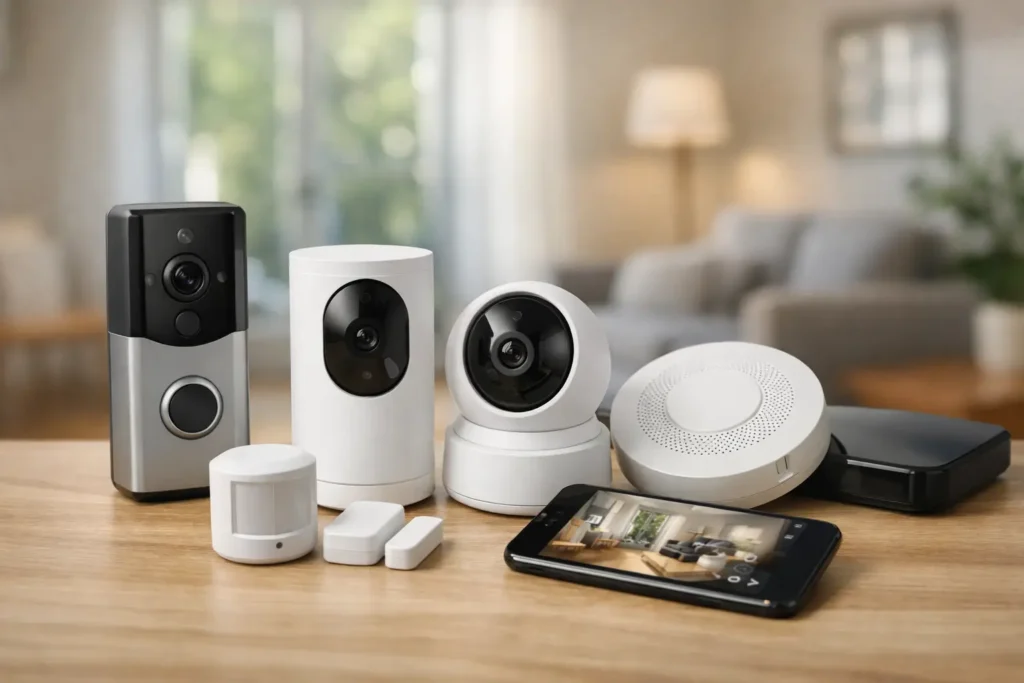
A package left at the front door, a basement pipe leak, an unfamiliar person near the side gate – home safety problems rarely arrive one at a time or during convenient hours. The best smart devices for home safety give you earlier warning, clear visibility, and practical control from wherever you are. The right system is not about filling a home with gadgets. It is about protecting the entry points, risks, and routines that matter most.
For homeowners in the Lower Mainland, a professionally planned setup can also account for weather exposure, Wi-Fi coverage, property layout, and the need for dependable support after installation. Start with the risks you want to reduce, then choose devices that work together instead of creating a collection of disconnected apps.
Start With Cameras Where Visibility Matters Most
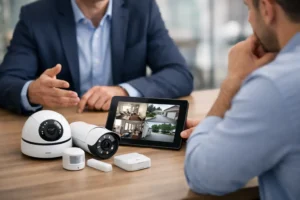
Smart security cameras are often the first upgrade because they answer a basic question quickly: what happened? A quality camera system can provide live viewing, motion alerts, recorded evidence, and remote access from a phone or computer. For many homes, the most valuable coverage is at the front door, driveway, back yard, and side access.
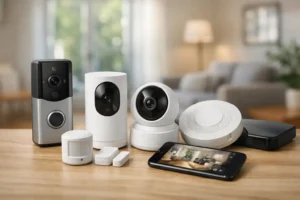
A video doorbell is useful when deliveries, visitors, and front-door activity are the main concern. It lets you see and speak with someone before opening the door, whether you are upstairs, at work, or away for the weekend. It is not, however, a replacement for properly positioned exterior cameras. Doorbells generally capture a narrow view and may miss someone approaching from the side or activity near a vehicle.
Look for cameras with clear night vision, reliable motion detection, weather-rated housings, and sufficient resolution to identify people and important details. Two-way audio can help at entry points, while active deterrence features such as lights or audible warnings may discourage trespassing. The trade-off is that overly sensitive motion settings can create nuisance alerts from passing traffic, pets, or moving trees. Proper placement and configuration make a major difference.
For larger homes or properties with detached garages, wide lots, or multiple entrances, wired cameras are often the more dependable choice. They avoid frequent battery charging and can provide stable recording. Wireless cameras can be a good fit where running cable is impractical, but they still depend on strong Wi-Fi and need a realistic maintenance plan.
Smart Locks Improve Control at Every Entry
A smart lock replaces the uncertainty of physical key management with controlled access. You can lock or unlock a door remotely, receive alerts when a door is used, and assign unique codes to family members, cleaners, tradespeople, or short-term guests. When access needs to end, you delete the code instead of collecting a key.
This is especially useful for busy households, rental properties, and homeowners who regularly coordinate service visits. A smart lock can also be paired with a door contact sensor so you know whether the door is merely unlocked or actually open.
Not every door is a good candidate for every lock. Door alignment, deadbolt condition, weather exposure, and the existing hardware all affect performance. Choose a quality lock with a physical key override and clear low-battery warnings. A professionally installed lock should operate smoothly by hand first. Smart features should add convenience, not hide a sticking or poorly aligned door problem.
Smart Sensors Catch Problems Before They Become Expensive
Some of the most valuable home safety devices are the least visible. Smart sensors can notify you of a break-in attempt, water leak, smoke event, carbon monoxide risk, or temperature problem before it becomes a major loss.
Door and window contacts are core components of a smart intrusion alarm. They can alert you when an entry point opens and, when professionally monitored, can trigger a rapid response process during an alarm event. Glass-break sensors and interior motion detectors add another layer for homes with vulnerable windows or large open areas.
Water leak sensors deserve just as much attention. Place them near water heaters, washing machines, dishwashers, sinks, toilets, refrigerators with water lines, and basement utility areas. A small leak behind an appliance can go unnoticed for hours, particularly when no one is home. For higher-risk properties, a monitored leak sensor paired with an automatic water shutoff valve can limit damage by closing the water supply when a leak is detected.
Smart smoke and carbon monoxide alarms can send mobile notifications and identify the affected area. That added detail is useful, but life-safety equipment must be selected and installed carefully. The device should meet applicable safety standards, be placed correctly, and be maintained according to the manufacturer’s requirements. Smart notifications are an added layer of awareness, not a reason to ignore traditional fire-safety planning.
A Smart Alarm System Brings the Devices Together
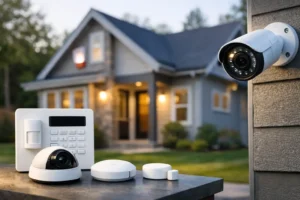
Standalone devices can send alerts, but a properly designed smart alarm system creates a more coordinated response. It can combine door contacts, motion detection, glass-break sensors, panic buttons, smoke detection, cameras, locks, and automation rules under one control platform.
For example, when the alarm is armed for away mode, selected doors can lock automatically, lights can turn off, cameras can activate recording rules, and you can receive a confirmation that the property is secure. If a protected door opens unexpectedly, the system can send an alert, turn on exterior lighting, begin recording, and notify a monitoring station where that service is in place.
Professional monitoring is worth considering for homeowners who travel, work long hours, or simply do not want every alarm event to depend on their phone being charged and within reach. Monitoring does not eliminate false alarms, which is why correct sensor placement and user training are essential. It does provide another layer of response when you cannot answer an alert yourself.
Smart Lighting Adds a Practical Deterrent
A dark side yard or unlit driveway can make a property easier to approach unnoticed. Smart outdoor lighting lets you schedule lights, control them remotely, and activate them in response to motion or alarm activity. Used well, it creates the appearance of an occupied, actively managed property.
The goal is not to keep every light on all night. Constant lighting can annoy neighbors, waste energy, and make it easier for cameras to deal with glare. Better results usually come from targeted fixtures at entryways, pathways, gates, garages, and vulnerable corners. Motion-triggered lighting should be adjusted to avoid constant activation from street traffic or neighboring movement.
Indoor smart lighting also has value when you are away. Timed or variable schedules can make a home look occupied, especially when paired with automated blinds or routines. Keep those routines simple enough that everyone in the household understands what happens when the system is armed or disarmed.
Do Not Overlook Wi-Fi, Power, and Privacy
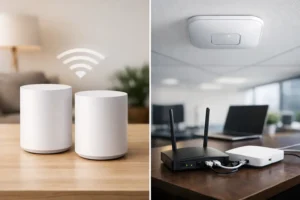
A smart safety system is only as dependable as the network behind it. Weak Wi-Fi can cause delayed camera feeds, missed notifications, and devices that repeatedly disconnect. Larger homes, concrete walls, finished basements, and detached buildings often need a planned network with properly placed access points rather than a single router in a utility closet.
Power outages are another consideration. Battery backup for alarm panels, network equipment, and selected cameras helps maintain protection during short interruptions. Cellular backup can keep a monitored alarm communicating if the internet fails. These details are easy to overlook during a retail purchase and difficult to fix after a system has already been installed poorly.
Privacy also deserves a clear plan. Use strong, unique passwords, enable multi-factor authentication where available, and control who can access cameras and locks. Cameras should cover your property without unnecessarily recording a neighbor’s private space. For homes with staff, tenants, or frequent guests, set clear expectations about where cameras are installed and who has access to footage.
Choosing the Best Smart Devices for Home Safety
The best starting point depends on the property. A condo owner may benefit most from a video doorbell, smart lock, and monitored intrusion sensors. A detached home may need exterior cameras, water sensors, smart lighting, and coverage for a garage or side gate. A homeowner with aging parents may prioritize smoke, carbon monoxide, and emergency alert features. There is no single device that covers every risk.
Before buying equipment, walk the property and identify the doors people actually use, windows that are hidden from the street, areas with water connections, and places where Wi-Fi weakens. Then decide what must happen when a device detects a problem: receive a notification, record video, activate lights, lock a door, sound an alarm, or contact a monitoring center.
HTech Knight Security Systems Ltd can design and install integrated home safety systems for homeowners who want one accountable provider for cameras, alarms, smart access, networking, and ongoing support. A proper assessment turns smart devices from isolated conveniences into a protection plan that works when you are home, asleep, or miles away.
The most useful upgrade is the one that addresses a real vulnerability and is simple enough to use every day. Start with the highest-risk areas, choose reliable equipment, and build a system that gives you clear information before a small concern becomes an emergency.