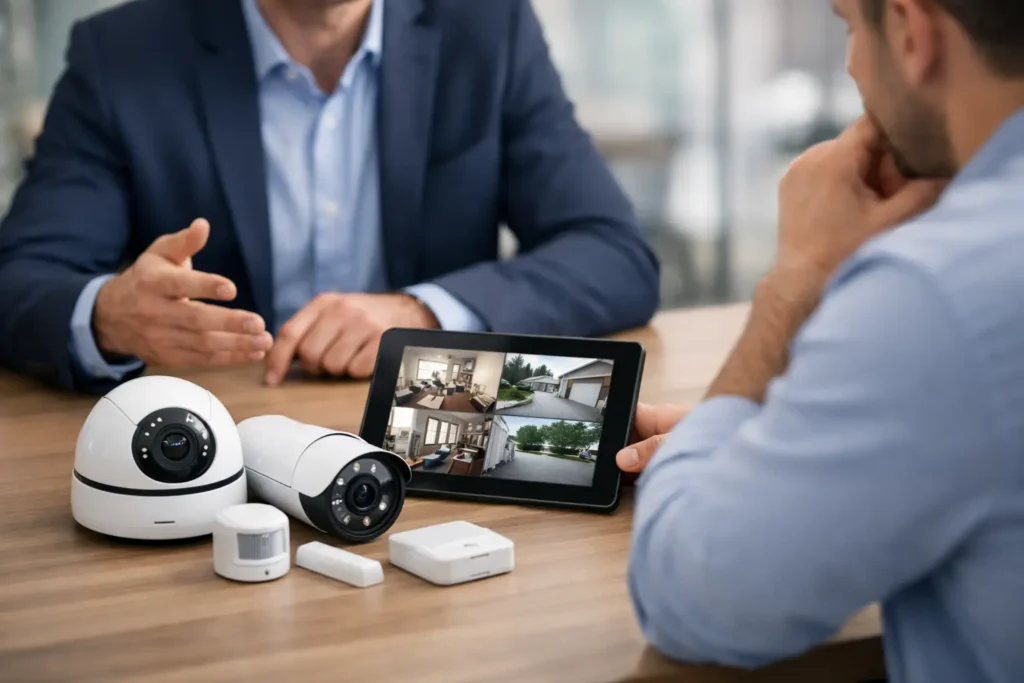
A security system is only as dependable as the company behind it. Cameras can be high resolution, alarms can be smart, and access control can look impressive on paper, but none of that helps much if the system is poorly designed, installed carelessly, or unsupported when something goes wrong. Knowing how to choose a security system company means looking beyond the equipment package and evaluating the people, process, and service commitment behind it.
For homeowners, that may mean protecting family, vehicles, deliveries, and a growing smart home setup. For a business or property manager, the decision may affect staff safety, restricted areas, loss prevention, tenant confidence, and daily operations. The right provider should make the process clearer, not more complicated.
Start With the Risks at Your Property
Do not begin by asking for the cheapest camera package. Start with what you need the system to accomplish.
A homeowner may need clear coverage of entrances, a driveway, backyard gates, and package drop-off areas. A retail store may need cameras that identify activity at tills and entrances, while a warehouse may need wide-area coverage, controlled employee access, and reliable network capacity across a large building. Medical offices and professional spaces often need a careful balance between security, privacy, and access management.
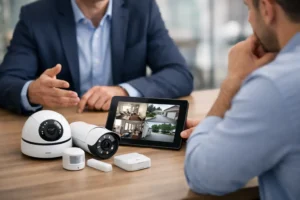
A qualified company should ask practical questions before recommending equipment: Where are the vulnerable entry points? What needs to be recorded? Who needs access? Are there dark areas, detached buildings, shared entrances, or limited Wi-Fi coverage? Is remote viewing a priority? These questions determine camera placement, storage requirements, alarm zones, access control options, and the network work needed to keep everything reliable.
Be cautious if a provider offers a quote without discussing the layout of your property or how the system will be used. Standard packages can be useful as a starting point, but security should be designed around the site, not forced into a one-size-fits-all box.
How to Choose a Security System Company With Real Expertise
Experience is not just the number of years a company has been operating. It is the ability to identify problems before installation begins and build a system that works in real conditions.
Ask whether the company handles the full scope of the job. A professional security provider should be able to assess the site, recommend appropriate equipment, install and test the system, train users, and provide support after the work is complete. If cameras, alarms, networking, intercoms, and smart controls are all handled by separate contractors, accountability can become unclear when an issue appears.
This matters especially in commercial properties. A camera system may depend on network switches, cable runs, power availability, internet capacity, and the placement of displays or recording equipment. An access control system may need to coordinate with door hardware, emergency exits, schedules, and employee turnover. The installer needs to understand the full environment, not simply mount devices.
Look for a company that can explain its recommendations in plain language. Technical knowledge should give you confidence, not leave you feeling pressured or confused. You should understand what each component does, why it is being installed, and how it supports your security goals.
Evaluate Equipment Quality and System Compatibility
Not all security equipment performs the same way. Low-cost devices may look similar online but can produce weak night footage, unreliable motion alerts, limited storage, poor app performance, or short service life. The price difference often shows up later, when footage is needed or a system stops working.
Ask which brands the company installs and why. Established equipment partners generally offer stronger warranty coverage, replacement availability, software support, and compatibility with professional-grade systems. A reputable installer should also be transparent about whether a product is suitable for your specific location.
For example, a camera facing a front door needs different features than a camera covering a large loading area at night. A basic wireless camera may be appropriate for a small home application, while a wired camera system is often the better long-term choice for a business, multi-camera property, or location where consistent recording matters. Wireless equipment can reduce installation time, but it still depends on stable Wi-Fi and power. Hardwired systems usually provide greater reliability and are less vulnerable to signal problems.
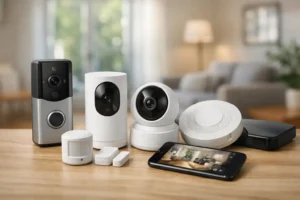
Compatibility is equally important. If you want cameras, alarms, video intercoms, smart locks, and remote monitoring, ask whether the system can work together without requiring several disconnected apps. Integrated systems can simplify daily use, but only when they are designed correctly.
Ask About Installation Standards, Not Just Installation Dates
Fast service is valuable, especially after a break-in, attempted theft, tenant issue, or equipment failure. Same-day installation or emergency service can make a meaningful difference when protection cannot wait. Still, speed should never replace workmanship.
Ask how the company handles cable routing, weatherproofing, camera positioning, power connections, and final testing. Cameras need to be mounted at useful angles and heights, not simply placed where installation is easiest. Exterior equipment needs protection from weather and tampering. Cabling should be neat, secure, and planned to avoid unnecessary exposure.
Before the installer leaves, the system should be tested with you present. You should know how to view live video, review recordings, receive alerts, arm and disarm an alarm, manage users, and respond if internet service is interrupted. For commercial systems, staff members with different responsibilities may need separate training and permission levels.
A professional installation also includes documentation. You should receive a clear record of equipment installed, access credentials, warranty information, and instructions for requesting future service. This becomes particularly valuable when ownership changes, staff turnover occurs, or the property is expanded.
Get Clear on Pricing, Ownership, and Ongoing Costs
A low upfront quote can hide important costs. Before agreeing to a security project, ask for a written scope that separates equipment, installation labor, monitoring, networking work, permits if applicable, service plans, and taxes. If a monthly fee is involved, understand exactly what it covers.
Monitoring can be an excellent choice for intrusion alarms, especially for properties that are vacant overnight, contain valuable inventory, or need a response plan when no one is available. However, monitoring terms vary. Ask about contract length, cancellation rules, communication methods, false-alarm procedures, and who to call for technical support.
You should also know who owns the equipment. In most professionally installed systems, the customer owns the devices after purchase, but that is not universal. Confirm whether you will retain administrator access to cameras, recordings, apps, and account settings if you change service providers later.
The best quote is not always the lowest number. It is the quote that accurately covers the work, uses suitable equipment, and reduces the chance of surprise costs after installation.
Confirm Local Support and Response Expectations
Security is not a one-time purchase. Cameras may need adjustments after landscaping changes. A business may add staff, doors, or storage areas. A homeowner may move, renovate, or want to add a video intercom. When support is needed, a local company that answers the phone and can dispatch qualified technicians has real value.
Ask about normal service response times, emergency availability, warranty handling, and maintenance options. If a camera fails or an alarm starts reporting a trouble condition, you need to know whether help is available remotely, on-site, or only through a manufacturer call center.
For property owners across Surrey, Delta, Langley, and the Lower Mainland, local knowledge also helps with practical details such as weather exposure, property layouts, building types, and timely on-site service. HTech Knight Security Systems Ltd combines security installation with networking, smart property technology, and ongoing support, which can reduce the need to coordinate multiple contractors as your needs grow.
Check Reputation, But Ask Better Questions
Reviews and referrals are useful, but read them with a purpose. Look for comments about communication, punctuality, clean installation, problem-solving, and post-installation support. A company can receive praise for being friendly, but the stronger indicator is whether it resolves issues and stands behind its work.
When speaking with a provider, ask for examples of projects similar to yours. A home security specialist may not be the best fit for a multi-door industrial site, and a large commercial contractor may not offer the personal guidance a homeowner needs. The right fit depends on your property, budget, and expected level of support.
Pay attention to how the company responds to questions. Clear answers, documented recommendations, and realistic expectations are signs of professionalism. Pressure tactics, vague promises, and unexplained pricing are reasons to pause.
Choose the company that treats your property as a long-term responsibility, not a quick equipment sale. A well-designed system should help you see more, control more, and worry less long after installation day.