
A front door sensor is only useful if it is armed when the property is empty, heard when it is breached, and supported when an alarm occurs. Delta home alarm systems should be designed around how you actually use your home or business, not sold as a one-size-fits-all box of devices. The right system protects entry points, detects movement where it matters, gives you clear control from your phone, and connects you to help when you need it.
For a Delta homeowner, that may mean protecting a garage, side gate, basement window, and detached shed. For a business operator, it can mean securing staff entrances, stock rooms, loading doors, and restricted areas after closing. The equipment may look similar, but the system design should reflect the property, the daily routine, and the risks you want to reduce.
What Delta Home Alarm Systems Should Do
A professionally installed alarm system has one job: identify a real security event quickly and create a reliable response. It does that through a control panel, sensors, notification settings, and optionally professional 24/7 monitoring. Each piece needs to work together consistently, including during a power outage or internet interruption.
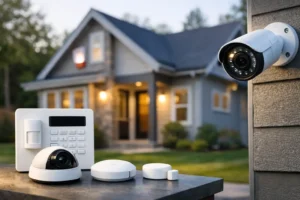
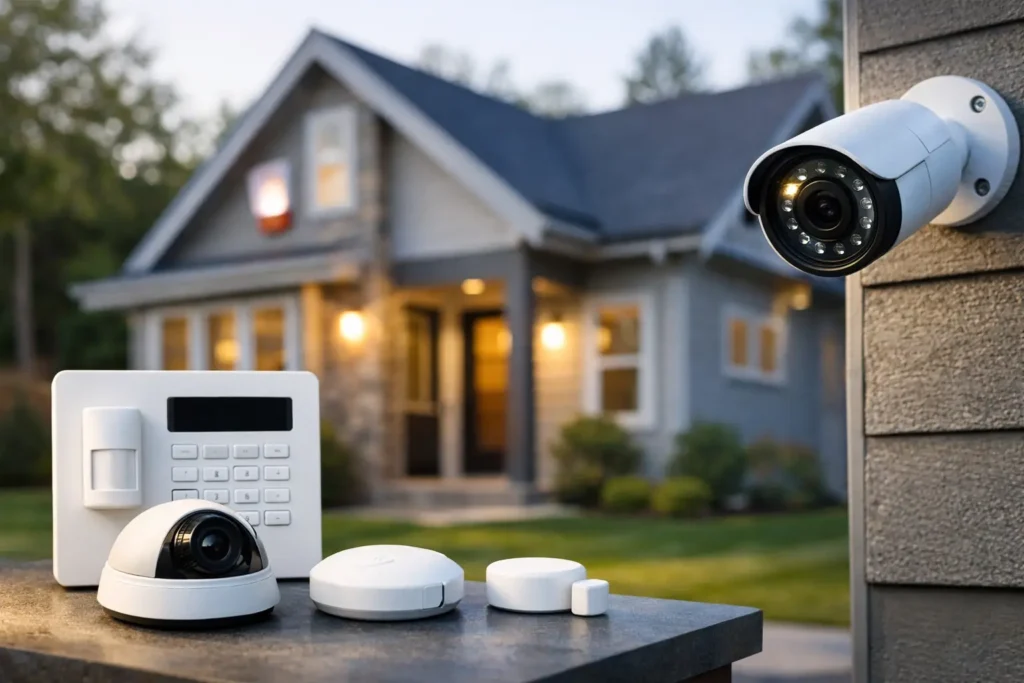
Door and window contacts are the first layer. They alert the system when a protected opening is opened while armed. Motion detectors add coverage inside key areas, while glass-break sensors can help protect rooms with large windows or patio doors. Depending on the property, smoke, carbon monoxide, flood, and temperature sensors can also be integrated into the same platform.
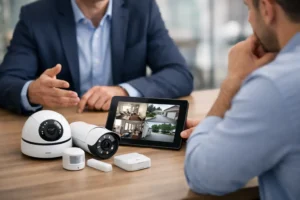
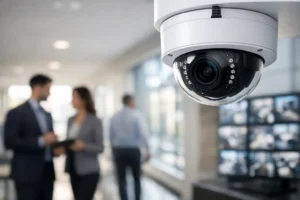
The most practical systems do more than sound a siren. They send real-time alerts to authorized users, let you arm or disarm remotely, and show the current status of protected areas. When paired with security cameras, a homeowner or manager can check what triggered an event instead of reacting to an alert with no context.
Start With the Property, Not the Equipment List
The most common security mistake is buying devices before identifying the points that need protection. A proper assessment begins with the property layout: exterior doors, accessible windows, garage doors, secondary suites, storage areas, utility rooms, and locations where people enter after hours.
For homes, the assessment should also consider family routines. If someone regularly walks a dog at night, uses the garage as the main entrance, or works from a home office, the system needs flexible arming options. You may want perimeter protection active while people are still moving inside, rather than a system that requires the entire home to be empty.
Businesses need an additional layer of operational planning. A retail store may need different codes for owners, managers, and staff. A warehouse may require motion detection across a large open area and contacts on overhead doors. A medical office may need controlled access to records or equipment rooms. The goal is not to install the most sensors. It is to cover the right areas without making the system difficult for staff to use correctly.
Wired, Wireless, or a Hybrid Design?
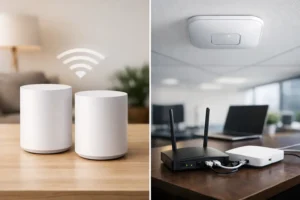
Wireless sensors are a strong choice for many existing homes and commercial spaces because they can be installed with minimal disruption. They are flexible, neat, and well suited to renovations, finished basements, and properties where running new cables would be intrusive.
Wired devices can be a practical option for new construction, major renovations, and larger sites with accessible pathways for cable. They do not rely on sensor batteries and can be especially useful where long-term infrastructure is being planned. A hybrid system often gives the best result, using existing wiring where available and wireless devices where they make installation faster or cleaner.
There is no universal winner. A qualified installer should explain why a particular approach fits the building, rather than pushing one platform for every job.
Monitoring Changes the Response Plan
An unmonitored alarm can still deter an intruder and notify the people who receive app alerts. However, it depends on someone seeing the notification, understanding what is happening, and deciding what to do. That may be enough for a low-risk property where the owner is always nearby. It may not be enough for a vacation property, a busy family, or a business that is vacant overnight.
With 24/7 monitoring, alarm signals are sent to a monitoring center that follows an established response process. Depending on the event type and account instructions, the center can contact keyholders and dispatch emergency services when appropriate. This creates a dependable layer of support when you are asleep, traveling, in a meeting, or unable to answer your phone.
Monitoring does come with an ongoing monthly cost, so it should be chosen based on the level of risk and the property’s needs. For many owners, that cost is easier to justify after considering the value of inventory, equipment, personal safety, or the consequences of a delayed response.
Add Video and Access Control Where They Create Value
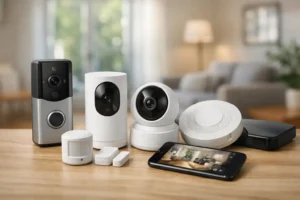
Alarm systems are strongest when they give you both detection and verification. A camera at the front entry, driveway, rear door, or commercial loading area can help confirm whether an alert requires action. Video doorbells and intercoms can also let residents or staff see and speak with visitors before granting access.
For businesses, access control adds accountability that a traditional key cannot provide. Individual credentials can be issued, deleted, and managed without changing locks every time an employee leaves. Managers can restrict access to certain rooms, review entry activity, and maintain control over sensitive areas.
Integration should be useful, not complicated. For example, arming the alarm when the last authorized employee leaves can support better closing procedures. A smart lock can be managed alongside video and alarm notifications. The best setup keeps important controls in one place while still allowing each system to perform reliably on its own.
Avoid False Alarms Through Better Design
False alarms create frustration and can lead users to stop arming their systems. Most are preventable with careful device placement, correct settings, and a clear handover after installation.
Motion sensors should be placed away from direct heat sources, moving blinds, unstable shelving, and areas with active pets unless pet-immune devices are selected and installed correctly. Door contacts need secure alignment. Users should know how long they have to enter or exit before the alarm activates, and every authorized user should have their own code rather than sharing one code across the household or staff team.
Testing matters as well. A system should be tested after installation, after renovations, and whenever a device is moved or replaced. Battery replacement schedules, panel updates, and monitoring communication checks are small maintenance tasks that protect the reliability of the entire system.
Professional Installation Delivers More Than Devices
Security equipment is widely available, but equipment alone does not guarantee protection. Placement, programming, communications backup, user training, and post-installation support determine whether the system performs when it matters.
A professional installer can identify gaps that are easy to miss, such as an unprotected door between a garage and living space, a vulnerable basement window, or a business entrance that is routinely left accessible during deliveries. They can also ensure the panel is installed in a sensible location, devices are securely mounted, and notifications are configured for the people responsible for the property.
HTech Knight Security Systems Ltd designs integrated alarm, camera, access control, and smart property systems for homes and businesses across Delta and the Lower Mainland. The advantage of working with one local provider is straightforward: you have one team to assess the property, install the equipment, explain how it works, and support the system as your needs change.
Choose a System You Will Actually Use
The best alarm system is not the one with the longest feature list. It is the one your household or team can arm consistently, understand quickly, and rely on after hours. Before installation, decide who needs access, which areas need protection, whether professional monitoring is appropriate, and how cameras or smart controls could make the system easier to manage.
A focused on-site assessment can turn those answers into a practical design. When your alarm system fits the property and the people using it, security becomes part of the routine instead of another task to worry about.